
Table of Contents
Introduction: When Viral Reach Doesn’t Lead to Real Growth
What Are False Growth Spikes on Fansly
Why Viral Posts Don’t Always Mean Growth
How Viral Posts Create Fansly Traffic Volatility
Why Discoverability Signals Matter More Than Virality
How Tags Influence Fansly Reach Stability
Why Inconsistent Reach Happens on Fansly
How to Stabilize Fansly Growth
How Tag Analysis Helps Predict Reach
How Slykiwi Helps Analyze Fansly Growth
Conclusion: Viral Reach Is Not the Same as Stable Growth
FAQ
Introduction: When Viral Reach Doesn’t Lead to Real Growth
Many Fansly creators see a viral post as proof that their strategy is working. A piece of content suddenly gets far more reach than usual. Notifications increase, new subscribers arrive, and traffic spikes within hours.
At first glance, this looks like growth. The numbers jump, engagement increases, and the account feels like it has finally “broken through.”
But then the next posts appear.
Reach drops back down. Engagement slows. The following content performs much worse than the viral one. Creators often interpret this as a mistake, a drop in quality, or even an algorithm change.
In reality, what they experienced was not sustainable growth. It was a false growth spike.
False growth spikes happen when a post temporarily receives unusually high distribution, but the underlying structure of the account remains unchanged. Instead of building stable reach patterns, the spike creates the illusion of progress.
Understanding why these spikes happen is essential for anyone who wants long term Fansly creator growth.
What Are False Growth Spikes on Fansly

False growth spikes are short bursts of visibility that do not translate into stable reach.
A post suddenly receives a large amount of traffic compared to the account’s normal performance. The creator sees a sudden increase in:
Fansly post reach
profile visits
temporary subscriber growth
But the spike does not repeat with the next posts.
This happens because the algorithm occasionally expands the distribution of a post to test its performance. When the post performs well in that moment, reach increases rapidly.
However, that does not mean the account itself has gained stronger algorithmic trust. It simply means the content passed a temporary distribution test.
When creators treat these spikes as a new baseline, they misunderstand the platform’s growth dynamics.
Why Viral Posts Don’t Always Mean Growth
Virality and growth are not the same thing.
A viral post is usually a short term event driven by algorithmic testing. Growth, on the other hand, depends on consistent behavioral signals over time.
Many factors can cause a post to perform unusually well:
a temporary discoverability boost
a niche tag combination
favorable timing in the algorithm’s distribution cycle
lower competition in a specific category
These events create viral posts instability, where performance fluctuates dramatically from one post to another.
Creators often assume that if one post reaches a large audience, future posts will perform similarly. But the algorithm does not guarantee that level of exposure again unless consistent signals appear.
Without those signals, the next post simply returns to the account’s normal reach range.
How Viral Posts Create Fansly Traffic Volatility
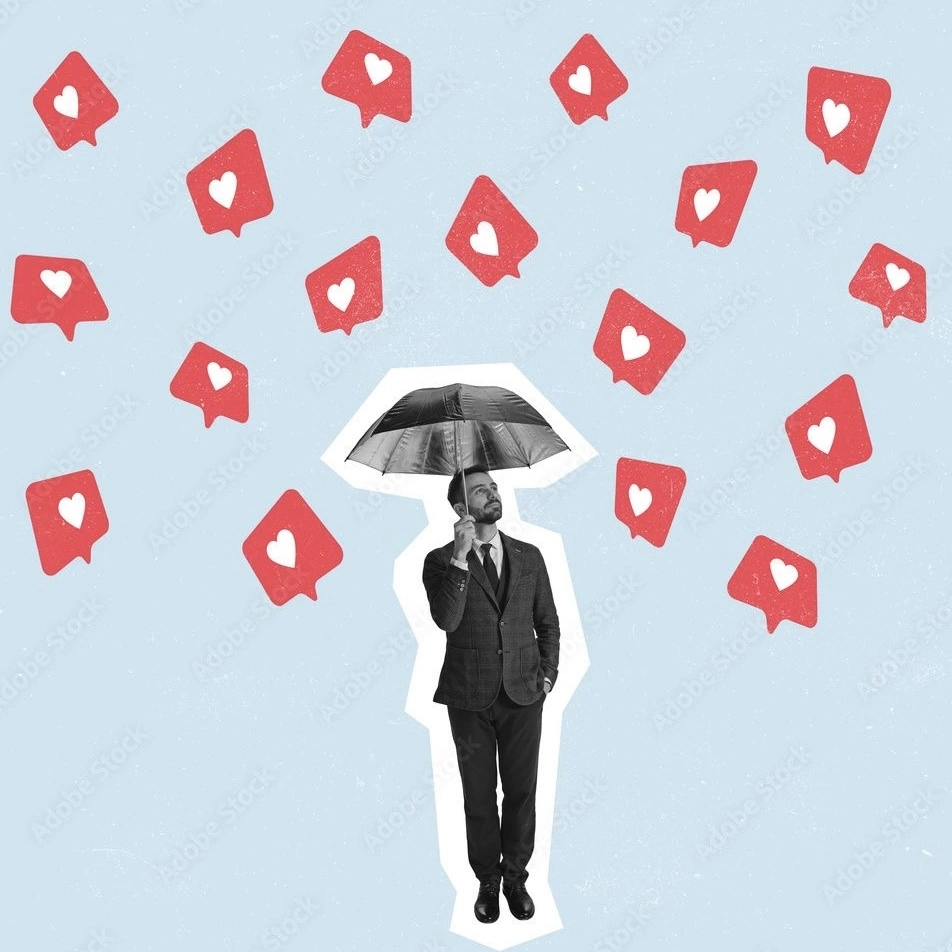
False growth spikes create Fansly traffic volatility. The account begins to show extreme variations in performance.
One post may reach thousands of viewers. The next may reach only a fraction of that audience.
This pattern creates several problems for creators.
First, it becomes difficult to evaluate performance. Creators cannot easily tell whether content improvements are working or failing.
Second, sudden spikes distort expectations. After a viral moment, normal reach may feel like failure even though nothing actually changed.
Third, creators may begin making reactive decisions. They experiment aggressively, change formats, or modify pricing in response to the fluctuation.
Ironically, these reactions often increase instability.
Instead of stabilizing growth, they introduce more variables into the system. The algorithm receives inconsistent signals, and the account’s reach becomes even more unpredictable.
Why Discoverability Signals Matter More Than Virality
Fansly’s algorithm prioritizes discoverability signals, not just visibility.
A viral post may receive many impressions, but the algorithm evaluates what happens afterward. It analyzes how viewers behave once they encounter the content.
These signals include:
engagement with the post
subscription behavior
retention patterns
rebill behavior
If a post reaches a large audience but the behavioral signals are weak, the algorithm has little reason to expand distribution further.
This is why discoverability stability matters more than viral reach.
Stable discoverability means the algorithm consistently delivers your posts to audiences that interact, subscribe, and remain engaged. Over time, this pattern builds stronger distribution trust.
Viral posts without consistent discoverability signals create noise instead of growth.
How Tags Influence Fansly Reach Stability
Tags play a central role in Fansly discoverability.
They help the algorithm classify content and determine where it should be distributed. Tags also define which audiences see the post during its initial testing phase.
Because of this, tag strategy directly affects reach patterns.
When creators use random or constantly changing tags, the algorithm receives inconsistent classification signals. Each post may be placed into a different audience segment.
This leads to unstable performance.
On the other hand, a structured Fansly tag strategy allows the algorithm to accumulate behavioral data. When tag patterns repeat, the system learns which audiences respond best to the content.
Over time, this improves reach predictability.
Stable tag structures create stable discoverability signals.
Why Inconsistent Reach Happens on Fansly

Inconsistent reach often results from unstable distribution signals.
The algorithm relies on repeated behavioral patterns to determine how far a post should travel. When those patterns are inconsistent, the algorithm cannot build a reliable model of the account.
Several factors contribute to this instability:
changing tag clusters frequently
targeting different audience segments with each post
inconsistent posting rhythm
varying content positioning
Each of these factors disrupts the data the algorithm collects.
When the system cannot identify clear patterns, distribution becomes less predictable. Posts are tested repeatedly in new segments instead of expanding steadily within an established niche.
This creates the feeling that reach is random, even though it is actually reacting to unstable signals.
How to Stabilize Fansly Growth
Stabilizing reach requires shifting focus away from viral spikes and toward repeatable distribution patterns.
Successful creators build growth strategies around consistency rather than occasional viral moments.
Stable growth on Fansly usually includes:
a consistent tag structure
predictable posting rhythm
clear content positioning
controlled experimentation instead of constant changes
This approach allows the algorithm to accumulate reliable behavioral data.
Instead of testing every post as a new experiment, the platform begins recognizing recurring audience patterns.
When this happens, reach becomes more predictable and discoverability improves gradually.
How Tag Analysis Helps Predict Reach
Understanding tag performance is one of the most effective ways to improve reach stability.
Tag analysis reveals how specific tag combinations influence discoverability. It allows creators to see which tag clusters produce consistent reach and which ones lead to unstable performance.
By examining tag performance, creators can identify:
high competition tags that dilute reach
niche tags that generate stronger discoverability signals
tag clusters that consistently attract relevant audiences
This type of Fansly reach analysis helps creators move from guesswork to data driven decisions.
Instead of reacting to viral spikes, they can build strategies based on repeatable performance patterns.
How Slykiwi Helps Analyze Fansly Growth
Tools designed for creator analytics can make this process significantly easier.
A Fansly analytics tool allows creators to examine content performance beyond basic metrics. By analyzing reach patterns, tag structures, and discoverability signals, creators can identify the causes of unstable growth.
Analytics tools help with:
tag performance analysis
discoverability diagnostics
growth stability analysis
content reach evaluation
These insights allow creators to build data driven tag strategies and improve reach predictability.
Instead of chasing viral spikes, creators can focus on stable audience development.
Conclusion: Viral Reach Is Not the Same as Stable Growth
False growth spikes can be exciting, but they rarely represent real progress.
A viral post may bring temporary visibility, but without stable discoverability signals the spike quickly fades. When creators interpret these spikes as permanent growth, they risk building strategies around unstable patterns.
Long term Fansly growth stability comes from consistency.
Predictable reach depends on repeatable tag structures, stable content positioning, and strong discoverability signals. Over time, these patterns allow the algorithm to understand the account and distribute content more efficiently.
Viral posts may bring attention. But stable signals build sustainable growth.
FAQ
Why do some Fansly posts go viral while others fail?
The algorithm tests content in different audience segments. Some tests produce strong engagement, creating temporary reach spikes.
Why does my Fansly reach become unstable?
Reach instability often occurs when discoverability signals are inconsistent. Tag chaos, fluctuating positioning, or irregular posting patterns can all contribute.
How can creators stabilize Fansly reach?
Creators can improve stability by maintaining consistent tag structures, predictable posting patterns, and analyzing reach data.
Do tags affect Fansly discoverability?
Yes. Tags help classify content and influence which audiences see posts first.
What tools help analyze Fansly reach?
Analytics tools that provide tag analysis, discoverability diagnostics, and content performance insights help creators understand and stabilize reach patterns.